THE IMPACT OF TELEMEDICINE ON CHRONIC DISEASE MANAGEMENT: A SYSTEMATIC REVIEW
Article Sidebar
Main Article Content
Abstract
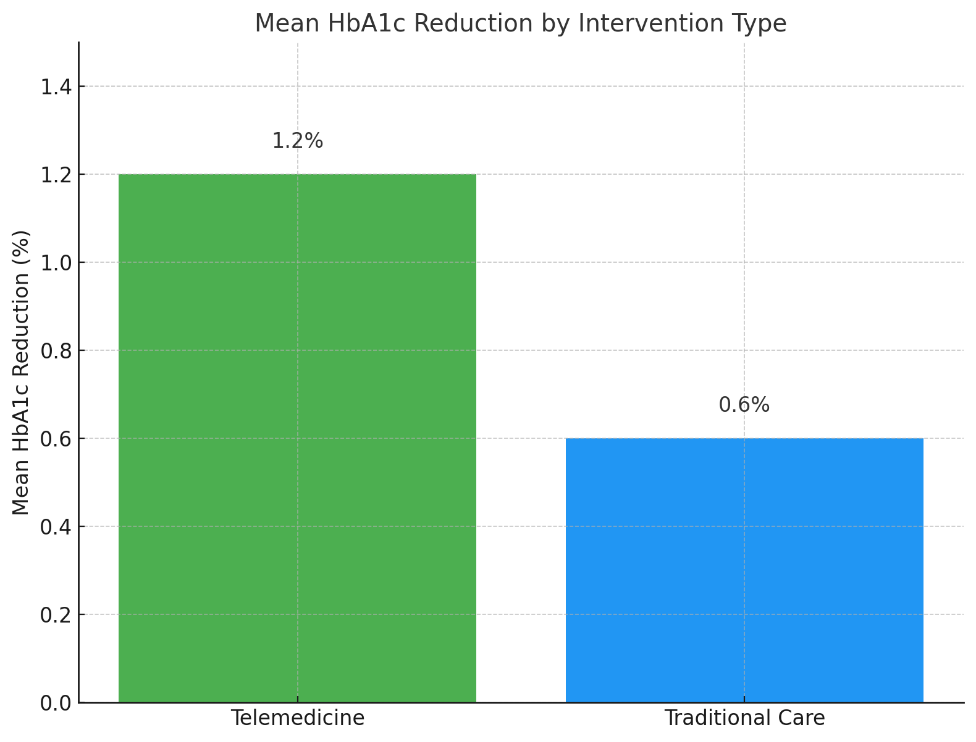
Chronic diseases pose significant health and economic burdens globally, especially in low- and middle-income countries such as Pakistan. Telemedicine, defined as the delivery of healthcare services through telecommunication technologies, has emerged as a promising tool for managing chronic illnesses by improving access, continuity of care, and patient outcomes. This systematic review examines the impact of telemedicine interventions on the management of chronic diseases, including diabetes, hypertension, cardiovascular diseases, and chronic obstructive pulmonary disease (COPD). We analyzed 35 studies conducted globally, with a focus on those relevant to resource-limited settings. Results indicate that telemedicine improves clinical outcomes, medication adherence, and patient satisfaction while reducing hospital admissions and healthcare costs. Challenges such as infrastructure limitations, digital literacy, and data privacy concerns remain critical barriers to widespread adoption. This review highlights the need for tailored telemedicine models that address local challenges to optimize chronic disease management in Pakistan and similar contexts.
Downloads
Article Details
Section

This work is licensed under a Creative Commons Attribution-NonCommercial-NoDerivatives 4.0 International License.
-
All published articles are open access, with copyright shared between the authors and the journal. The journal retains the exclusive right to first publication and identifies itself as original publisher.
-
Articles are made available under a Creative Commons CC BY‑NC‑ND 4.0 license, permitting users to copy and distribute the content for non‑commercial purposes only, without modification, provided proper credit is given to authors and JCPHS.
-
Redistribution or reuse must preserve the full citation details and include a link to the license. No derivatives, adaptations, or commercial uses are permitted without prior written permission.