NEUROPLASTICITY AND MENTAL HEALTH RECOVERY: EXPLORING THE ROLE OF BRAIN ADAPTABILITY IN THERAPEUTIC INTERVENTIONS
Article Sidebar
Main Article Content
Abstract
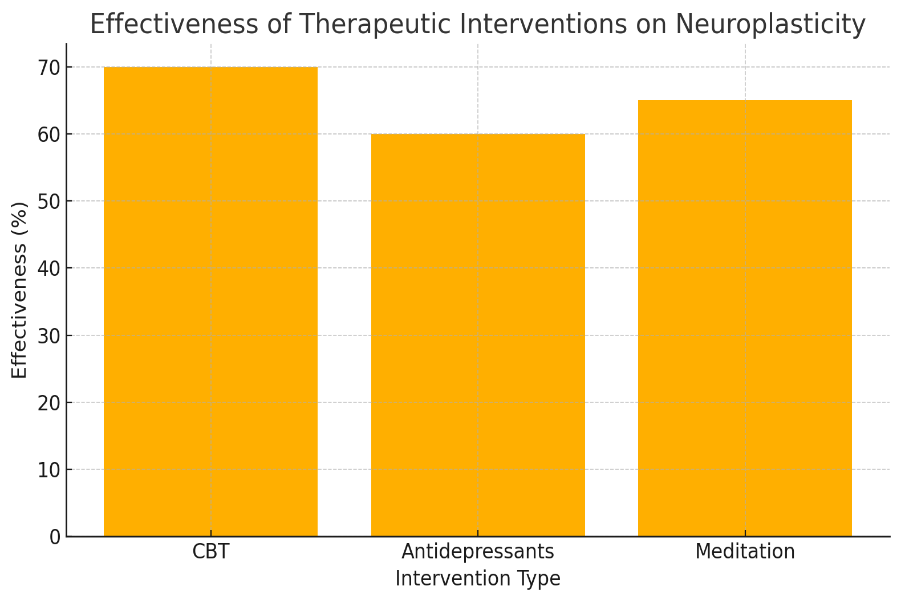
Neuroplasticity, the ability of the brain to reorganize itself by forming new neural connections, has emerged as a central concept in understanding mental health recovery. This ability plays a significant role in therapeutic interventions aimed at treating various psychiatric conditions, including depression, anxiety, schizophrenia, and post-traumatic stress disorder (PTSD). Through a combination of cognitive therapies, pharmacological treatments, and lifestyle changes, neuroplasticity can be harnessed to promote healing and recovery. This article delves into the mechanisms of neuroplasticity, its impact on mental health, and the therapeutic strategies that utilize brain adaptability for recovery. By exploring the latest research on neuroplasticity, this article aims to provide a comprehensive understanding of its potential in revolutionizing mental health treatments.
Downloads
Article Details
Section

This work is licensed under a Creative Commons Attribution-NonCommercial-NoDerivatives 4.0 International License.
-
All published articles are open access, with copyright shared between the authors and the journal. The journal retains the exclusive right to first publication and identifies itself as original publisher.
-
Articles are made available under a Creative Commons CC BY‑NC‑ND 4.0 license, permitting users to copy and distribute the content for non‑commercial purposes only, without modification, provided proper credit is given to authors and JCPHS.
-
Redistribution or reuse must preserve the full citation details and include a link to the license. No derivatives, adaptations, or commercial uses are permitted without prior written permission.